Common Causes
Auto immunity,
Genetic predisposition,
Smoking,
Stress and emotional strain,
Exposure to irritants (detergents, chemicals, soaps),
Repeated friction or pressure on palms/soles,
Cold or dry climate,
Certain medications,
Infections that trigger immune responses.
Symptoms Prognosis:
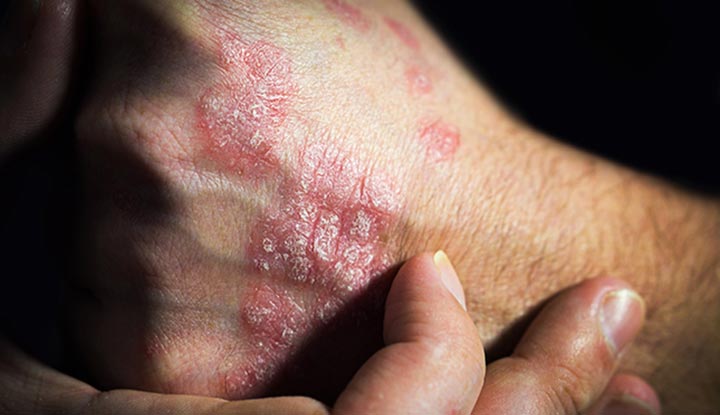
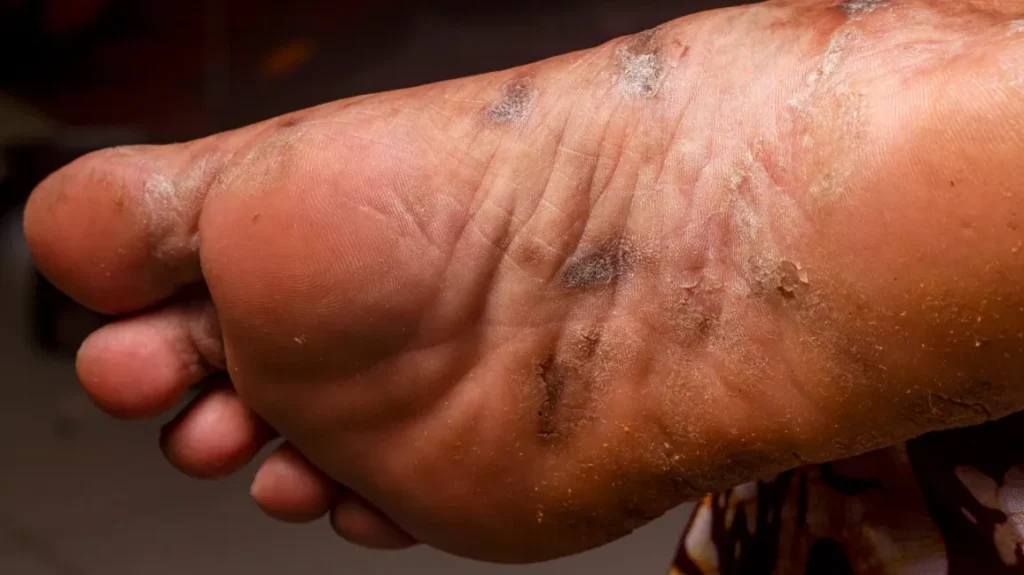
Thick, scaly, well-defined plaques on palms or soles,
Painful cracks and fissures,
Redness or discoloration,
Burning or itching, Difficulty gripping, walking, or performing routine tasks,
Tenderness or sensitivity on weight-bearing areas,
Dry, rough texture that worsens with friction,
In some patients, tiny pustules may appear, this is known as palmoplantar pustulosis.
If not managed properly, this type can lead to: Deep fissures and bleeding, Secondary bacterial
infections, Increased risk of psoriatic arthritis.
With proper lifestyle corrections, medical attention, and stress management, symptoms can be
significantly controlled. Many patients experience a notable reduction in thickness, scaling, and pain
with our personalized treatment approach.
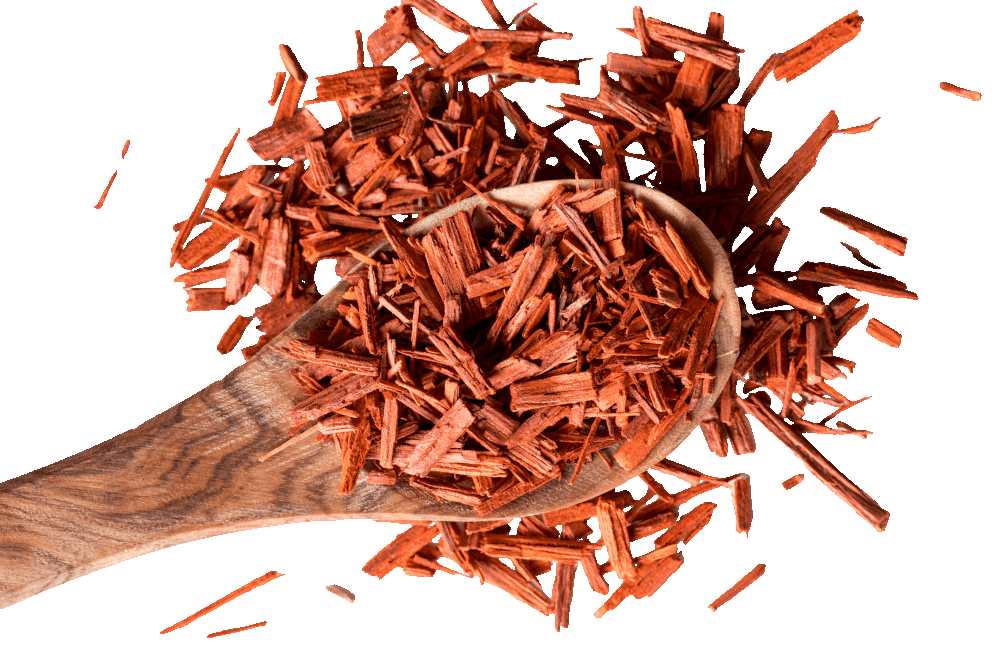
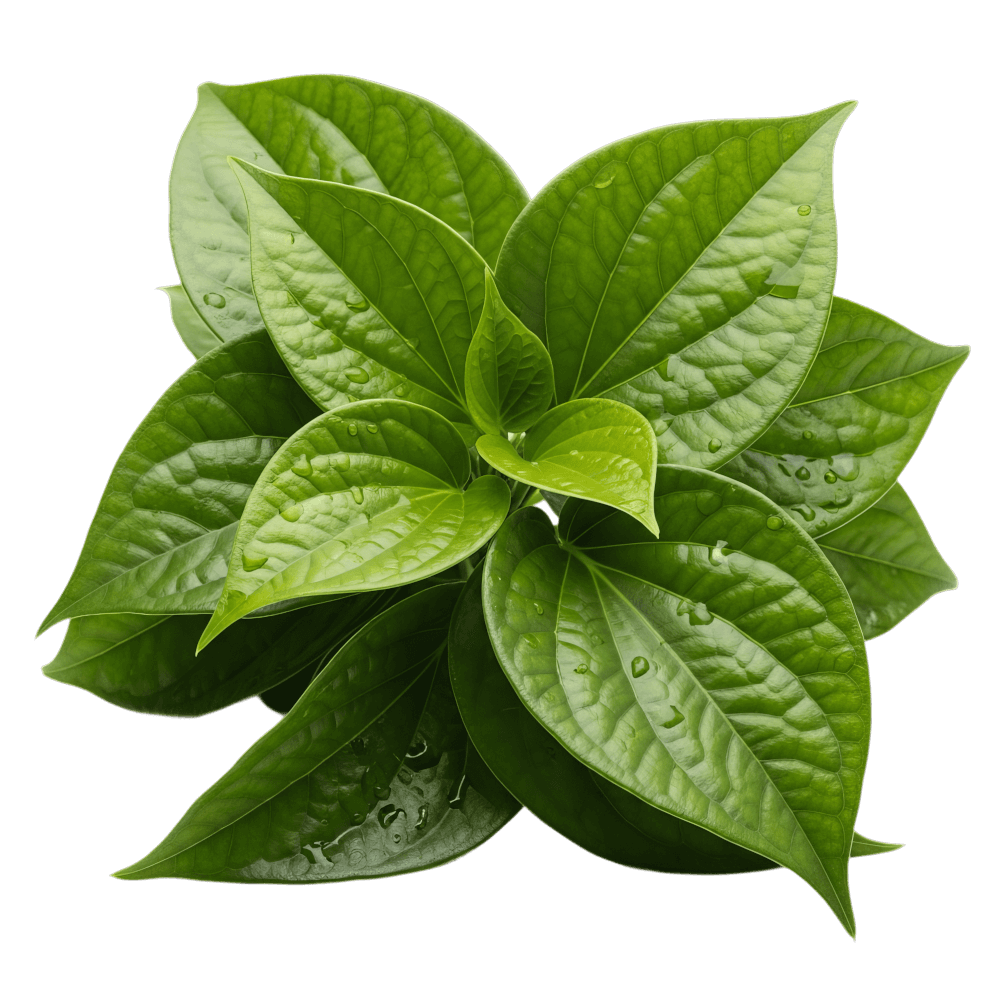
Our holistic Ayurvedic plan combining internal correction, detox therapies, skin-soothing procedures,
and lifestyle guidance has shown promising outcomes for many chronic cases.