
About Ayurveda

AYURVEDA: The Complete Guide to Its Origins, Classical Texts & Healing Science
Ayurveda is one of the world’s oldest and most comprehensive systems of natural healing, is rooted in the ancient wisdom of India. Derived from the Sanskrit words Ayuh (life) and Veda (knowledge),Ayurveda translates to “the science of life” a holistic medical system that guides individuals toward balanced health through body, mind and consciousness.For those unfamiliar with its history and scientific foundation, Ayurveda is a highly structured medical system with its own anatomy, physiology, pathology, diagnostics and therapeutic sciences preserved for thousands of years.

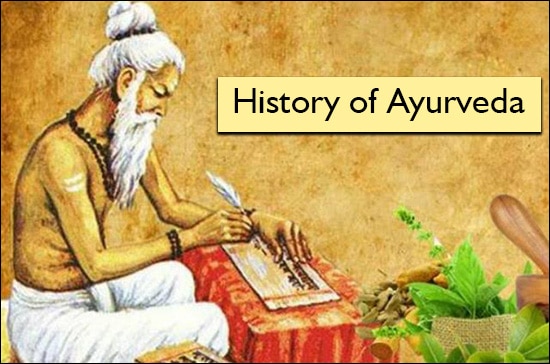
The Origin of Ayurveda - A 5,000-Year-Old Legacy:
Ayurveda traces its origins to the Vedic period, making it more than 5,000 years old. It was revealed to ancient sages through deep meditative insight into the nature of human health and disease.Ayurveda is originated from Atharva Veda, one of the four Vedas. The foundational principles of health, longevity, mental wellbeing and disease prevention form the essence of Ayurvedic science.
The Classical Texts - Pillars of Ayurvedic Medical Knowledge:
Ayurveda is grounded in well-structured medical textbooks known as Samhitas, written by legendary physician-scholars.
1. Charaka Samhita - Internal Medicine (Kaya Chikitsa)
Authored by Acharya Charaka, considered the father of Ayurvedic medicine. This classical text
focuses on the causes, classification and management of diseases. Detailed descriptions of
immunity, preventive healthcare and dosha physiology make it Ayurveda’s most authoritative text on
general medicine.
2. Sushruta Samhita - Surgery (Shalya Tantra)
Written by Acharya Sushruta, known globally as the father of surgery. It contains descriptions of
surgical instruments, techniques, wound care and plastic surgery procedures, centuries even before
modern surgery evolved.
3. Ashtanga Hridaya - Integrated Clinical Text
Compiled by Acharya Vagbhata, combining the teachings of Charaka and Sushruta. It is known for its clear, systematic organization of Ayurvedic principles, diagnostics, dietetics and treatment methods.
These classical texts laid the scientific foundation of Ayurveda, offering detailed clinical understanding and evidence-based methodology that continues to be studied and practiced worldwide.
4. The Core Principle of Ayurveda - Balance Creates Health:
Ayurveda teaches that health is the result of harmony between:
- Doshas (Vata, Pitta, Kapha)
- Dhatus (body tissues)
- Agni (digestive/metabolic fire)
- Srotas (body channels)
- Mind & consciousness.


Why Ayurveda Holds Timeless Value:
Ayurveda continues to hold a prominent place in India’s medical heritage for the following reasons:
1. Holistic and Personalized Care:
Ayurveda treats root causes, not just symptoms. It considers physical health, mental wellbeing, lifestyle, environment and emotions as inseparable parts of healing.
2. Evidence-Based Practices Refined Over Centuries:
Many therapies, including Panchakarma, herbal formulations and dietary regimens, have been proved effective through classical knowledge, clinical practice, and emerging scientific research.
3. Focus on Prevention & Longevity:
Ayurveda emphasizes maintaining balance before disease begins through food, daily routines,seasonal care, and mindful living.
4. Safe, Natural & Strengthening Therapies:
Ayurveda supports the body’s natural capacity to heal, regenerate and restore.
5. Global Acceptance & Scientific Integration:
Today Ayurveda is recognized internationally for its ability to:
manage chronic conditions,
improve quality of life,
support long-term healing,
offer personalized, sustainable health solutions.
Why You Should Choose Ayurveda:
If you are seeking a healthcare approach that:
understands you as a whole person,
focuses on long-term recovery,
restores natural balance,
strengthens immunity, integrates body, mind and lifestyle then Ayurveda offers a comprehensive path to healing.
It is not just a treatment system, it is a complete approach to living a balanced, vibrant, and meaningful life.
strengthens immunity, integrates body, mind and lifestyle then Ayurveda offers a comprehensive path to healing.
It is not just a treatment system, it is a complete approach to living a balanced, vibrant, and meaningful life.